

For operations managers, plant managers and safety leaders, a safety audit is more than a compliance exercise. It is a critical process that protects operational continuity, safeguards personnel and reduces the risk of costly downtime.
Many Australian facilities only review compliance after an incident, equipment failure or regulatory inspection. By then, small issues may have developed into significant operational risks. A structured audit program helps identify compliance gaps before they impact production, safety or your licence to operate.
For facilities operating in high-speed manufacturing, FMCG, food and beverage processing, and heavy industrial environments, regular audits form part of a proactive asset reliability strategy. This guide explains how often you should conduct a safety audit, what to include in a compliance checklist and how Australian standards such as AS/NZS 3000 and AS/NZS 3760 influence audit requirements.
What is a safety audit?
A safety audit is a formal assessment of workplace systems, equipment, procedures and documentation to verify compliance with applicable legislation, Australian Standards and internal safety requirements.
Most safety consultants only provide advisory services. They identify a hazard, hand you a list of problems, and walk away—forcing you to source separate mechanical and electrical companies to fix the issues. MEX Engineering Group provides a full-stack alternative. Backed by our in-house TÜV Nord Certified Machinery Safety Experts (CMSE®), we execute all four stages in-house: risk assessment, safe design, physical installation, and validation. This strict in-house engineering capability eliminates contractor handoff risk and ensures your facility is genuinely audit-proof.
For industrial facilities, safety audits commonly assess:
- Electrical infrastructure
- High-voltage systems
- Hazardous area installations
- Portable electrical equipment
- Maintenance processes
- Lockout/tagout procedures
- Emergency response systems
- Safety documentation and records
A well-executed audit provides the technical evidence required to demonstrate compliance while supporting long-term asset reliability.

How often should a facility conduct a safety audit?
The appropriate audit frequency depends on your industry, risk profile, equipment criticality and regulatory obligations.
As a general guide, Australian facilities should follow the schedule below.
Audit Type | Recommended Frequency |
Workplace safety audit | Every 12 months (Or upon any change to workplace) |
High-risk operational areas | Every 6 months (Paired with daily Pre-start checks) |
Electrical compliance audit | Every 3-12 months |
Portable appliance testing review | Based on AS/NZS 3760 requirements |
Hazardous area compliance audit | Every 1 to 3 years depending on risk |
Maintenance compliance review | Quarterly or bi-annually |
Post-incident audit | Immediately following an incident |
Major plant modification audit | Following any change |
Facilities operating in hazardous environments often require more frequent reviews. Mining, oil and gas and heavy industrial sites face higher consequences from electrical failures or compliance breaches.
The most effective organisations combine annual formal audits with ongoing inspections and preventative maintenance reviews throughout the year.
Why do regular safety audits matter?
Many compliance issues develop gradually. Documentation becomes outdated, equipment modifications go unrecorded and inspection intervals slip over time.
Regular audits help organisations:
- Reduce unplanned downtime
- Identify safety risks before incidents occur
- Maintain compliance with Australian Standards
- Improve asset reliability
- Support insurance and regulatory requirements
- Protect operational continuity
- Strengthen maintenance planning
For high-stakes facilities, the cost of failure often far exceeds the cost of proactive auditing. A single electrical incident can result in production losses, regulatory penalties and significant safety consequences.
Compliance checklist for industrial facilities
A comprehensive compliance checklist should assess both physical infrastructure and management systems.
Electrical systems
Review:
- Switchboards and distribution systems
- Earthing and bonding systems
- Circuit protection devices
- Electrical drawings and documentation
- Compliance with AS/NZS 3000 requirements
- Evidence of unauthorised modifications
The AS 3000 standard, commonly known as the Wiring Rules, establishes requirements for safe electrical installations throughout Australia.
Machine Safety and Guarding
Review:
- Fixed and movable guarding compliance with AS/NZS 4024.
- Functional checks of safety PLCs, light curtains, and presence detection.
- Performance Level (PLr) validation for all critical safety systems.
- Energy isolation and Lockout/Tagout (LOTO) procedures. An unguarded machine is a single point of failure. Effective machine safety requires an engineered safety concept that protects operators without creating operational bottlenecks.
Maintenance systems
Review:
- Preventative maintenance schedules
- Maintenance completion records
- Critical asset registers
- Equipment condition reports
- Contractor management processes
- Defect rectification records
Many organisations ask, “What is a maintenance inspection checklist?”
A maintenance inspection checklist is a documented process used to verify the condition, performance and compliance status of equipment. It helps maintenance teams identify deterioration, safety risks and reliability issues before they result in failure.
Documentation and compliance records
Review:
- Safe work procedures
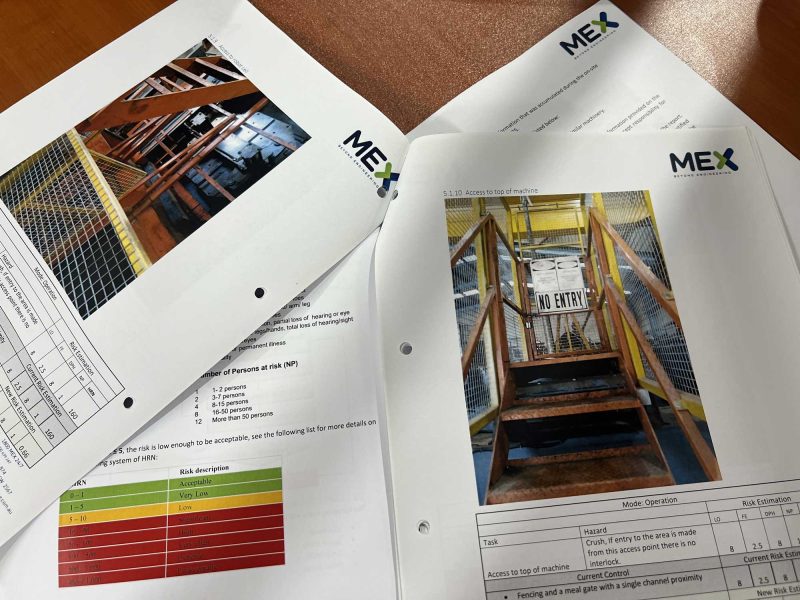
- Risk assessments
- Training records
- Competency certifications
- Incident reports
- Audit history
- Regulatory documentation
Accurate records provide the evidence required during external audits and regulatory inspections.

Warehouse safety checklist
Warehouses face unique risks due to vehicle movements, storage systems and high equipment utilisation.
An effective warehouse safety checklist should include:
Storage systems
- Racking inspections
- Load ratings clearly displayed
- Structural damage assessments
- Safe storage practices
Traffic management
- Pedestrian segregation
- Vehicle routes clearly marked
- Forklift operating procedures
- Speed control measures
Electrical safety
- Portable equipment testing
- Power outlet inspections
- Lighting performance checks
- Extension lead compliance
Emergency preparedness
- Emergency exits accessible
- Fire equipment inspections
- Evacuation plans current
- First aid resources available
Warehouse audits should be completed regularly, with formal reviews supported by routine supervisor inspections.
Understanding AS/NZS 3760 and electrical testing requirements
Electrical equipment testing remains one of the most commonly audited compliance requirements in Australian workplaces.
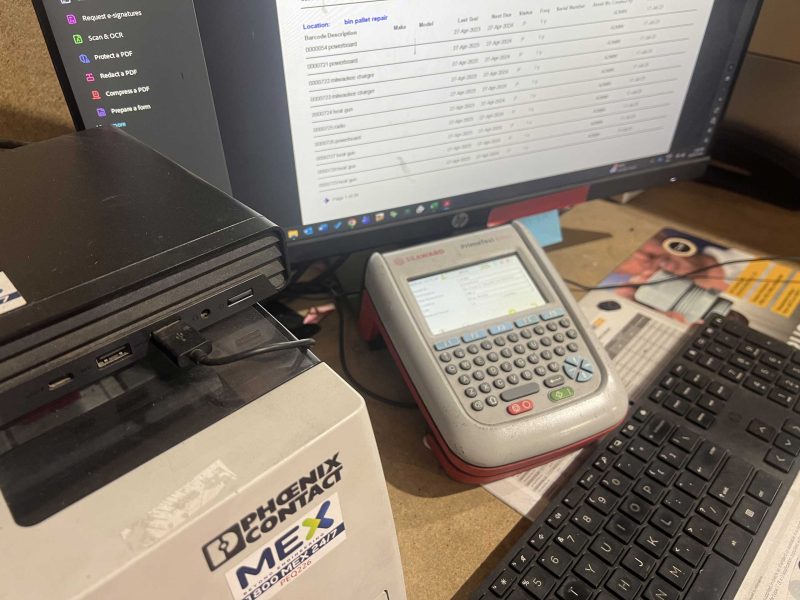
The AS/NZS 3760 standard establishes inspection and testing requirements for portable electrical equipment. Many organisations refer to this as the AS 3760 standard.
The standard outlines:
- Inspection procedures
- Test methods
- Test intervals
- Record-keeping requirements
- Equipment tagging requirements
Testing frequency depends on the operating environment. Construction sites and high-risk industrial facilities generally require more frequent testing than office environments.
Failure to comply with AS/NZS 3760 can expose organisations to unnecessary safety risks and potential compliance issues during audits.
Common safety audit findings
Across industrial facilities, recurring audit findings often include:
- Incomplete maintenance records
- Outdated electrical drawings
- Overdue equipment testing
- Missing risk assessments
- Unauthorised equipment modifications
- Inadequate contractor controls
- Deficient lockout/tagout procedures
Most of these issues are preventable through proactive lifecycle maintenance and regular compliance reviews.
The challenge is rarely identifying a problem after an incident. The challenge is identifying it before it affects safety or production.
Build compliance confidence through proactive audits
A safety audit should not be viewed as a regulatory obligation alone. It is a practical tool for protecting uptime, maintaining compliance and reducing operational risk.
Facilities that conduct regular audits gain greater visibility into asset condition, compliance status and emerging risks. This allows maintenance and operations teams to make informed decisions before issues escalate into costly failures.
At MEX Engineering Group, we are more than an engineering service provider; we are your maintenance-first reliability partner. We help Australian industrial facilities maintain operational continuity through precision-engineered electrical installations, CMSE® machine safety audits, and embedded fractional maintenance support.
Whether you require comprehensive AS/NZS 3000 electrical compliance reviews or full-stack machinery safety upgrades, our in-house engineering capability ensures your risks are isolated and eliminated without disrupting your production schedules.
Request a machine safety assessmentRelated Articles
AS/NZS 3760 guide: Test and tag electrical safety inspection
Learn AS/NZS 3760 test and tag requirements, who can perform inspections, and how [...]
Read moreMay
Risk assessment 101: Identify, assess and control hazards
Learn what a risk assessment is, how to assess workplace hazards, and fix [...]
Read moreMay
Gail King
With a passion for leadership and fostering a culture of continuous improvement, Gail is dedicated to expanding awareness and growth within the MEX Engineering Group team. With over 20 years of experience, her expertise spans financial operations, strategic planning, and business development. Gail is driven by the success of others, striving to achieve excellence while supporting the growth and sustainability of Australian manufacturing.