
Unplanned machinery failure is an unacceptable, massive cost to your business. In the high-speed food processing industry, an unmaintained machine is not just technical debt—it is a single point of failure that exposes your plant to catastrophic downtime, ruined batches, and lost revenue.
At MEX Engineering Group, we do not just repair faults; we act as your maintenance-first reliability partner to protect your vital uptime.
These five strategies can help improve the performance of food processing machinery while supporting safer, more stable production outcomes.
1. Build preventive maintenance around failure prevention
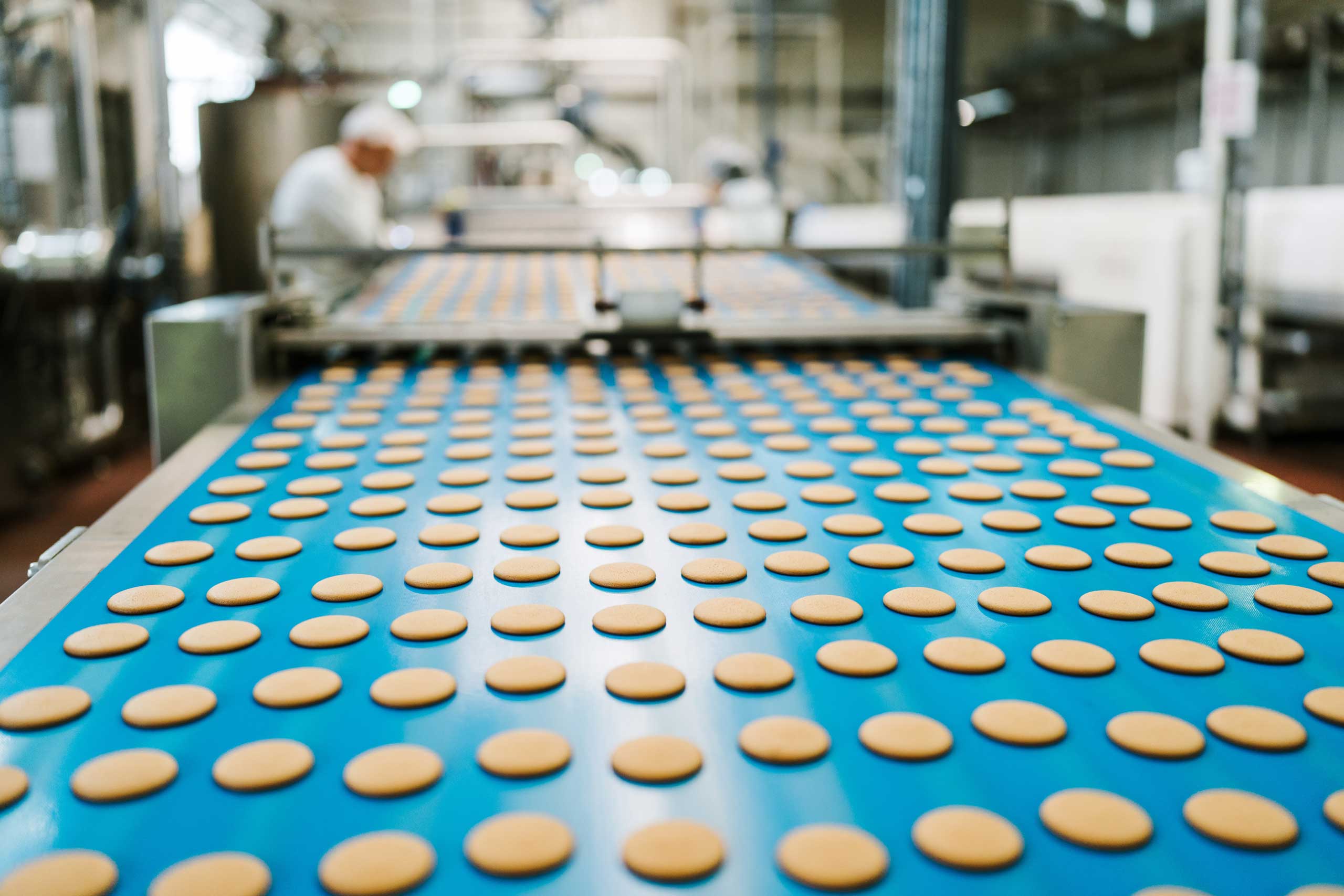
Reactive maintenance often allows minor defects to become major stoppages. A structured preventive maintenance program is designed to reduce downtime by identifying faults before they interrupt production.
For critical food processing equipment, maintenance plans should prioritise component wear, fault history, and production-critical assets. This approach supports reliability improvement while reducing emergency interventions.
Key preventive tasks may include:
- Inspect bearings, drives, seals, and mechanical wear points
- Review electrical connections and instrumentation health
- Use thermal scanning to identify developing issues
- Maintain lubrication schedules and calibration intervals
- Record asset history to support root cause analysis
Preventive maintenance is strongest when supported by clear documentation and embedded site knowledge. Stable maintenance teams often identify recurring issues faster and prevent repeat faults from returning.
2. Upgrade ageing food processing equipment before failures escalate
Ageing food processing equipment can increase breakdown risk, particularly where obsolete controls, worn components, or unsupported systems are involved.
Not every reliability problem requires full replacement. In many cases, targeted upgrades can improve performance while reducing disruption to production schedules.
Priority upgrade areas often include:
Control systems and automation
Legacy PLC, HMI, or SCADA systems can contribute to instability and fault exposure. Upgrades can improve monitoring, fault isolation, and control reliability.
Mechanical and electrical integration
Integrated upgrades across electrical and mechanical systems can remove recurring bottlenecks and improve asset life.
Machine safety improvements
Machine safety audits and corrective programs can identify guarding, compliance, and risk issues that may contribute to downtime events. Machine safety audits and guarding upgrades must be conducted by a CMSE® (Certified Machinery Safety Expert). This ensures compliance with AS/NZS 4024 and protects the facility from SafeWork audit exposure.
For broader system changes, food processing plant design consultants can help align upgrades with throughput, safety, and operational constraints.
Strengthen operator response to early fault indicators
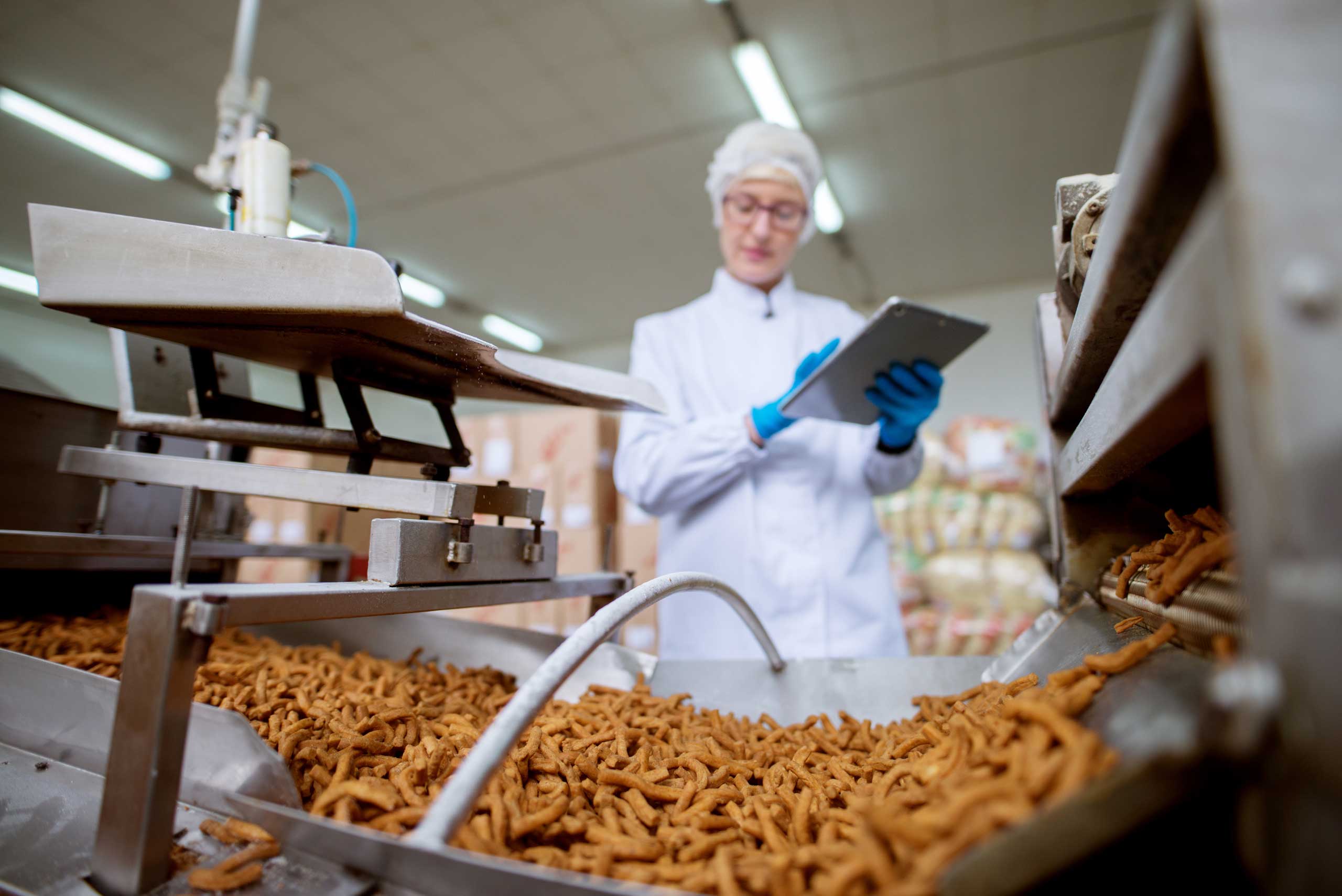
Operators often see warning signs before a failure becomes critical. Training teams to recognise early indicators can improve response time and reduce avoidable stoppages.
In the food processing industry, small changes in noise, vibration, product flow, or temperatures may indicate a developing fault.
Warning signs worth escalating include:
- Abnormal motor noise or vibration
- Irregular throughput or process instability
- Temperature fluctuations
- Product handling inconsistencies
- Repeated nuisance trips or control alarms
Operator awareness supports faster intervention, but it should sit alongside structured fault reporting and maintenance response.
This is where an experienced food processing maintenance-first reliability partner can add value. Fault response improves when operators, maintenance personnel, and specialist technicians work from the same documented process.
4. Use predictive tools to reduce unplanned stoppages
Preventive maintenance reduces risk. Predictive maintenance can improve fault detection further.
Condition monitoring tools can identify developing failures before symptoms become visible during production. This supports planned interventions rather than reactive shutdowns.
Common predictive maintenance tools include:
- Vibration analysis
- Thermal scanning
- Oil condition analysis
- Sensor-based performance monitoring
- Fault trend reporting
These tools are increasingly used across the food processing industry to support uptime protection and reduce repeat failures.
Predictive monitoring is most effective when paired with root cause analysis and corrective action planning. Data without action rarely improves reliability.
5. Improve recovery with specialist breakdown support and smarter plant design
Even strong maintenance systems cannot eliminate every fault event. Recovery capability still matters.
A responsive food processing repair service can shorten recovery time, improve repair quality, and reduce the risk of recurring failures after a breakdown.
Support may include:
- 24 hour, 7 day breakdown response
- Embedded maintenance coverage
- Fault isolation and corrective repairs
- Reliability-focused plant improvements
- Industrial Additive Manufacturing
Rapidly reverse-engineering and 3D printing high-strength replacement parts locally to bypass 8-week overseas OEM delays and safely restart production lines in days.
For long-term resilience, food processing plant design consultants can help remove bottlenecks, improve maintainability, and support lifecycle optimisation.
This shifts the focus from fixing faults to engineering continuous performance.

Protect uptime with a maintenance-first reliability approach
Reducing downtime in food processing machinery starts with reducing risk before failures occur. Preventive maintenance, targeted upgrades, predictive monitoring, trained operators, and fast breakdown response all contribute to stronger reliability outcomes.
At MEX Engineering Group, we support manufacturers with contract maintenance, breakdown response, automation, and engineered reliability improvements designed around real production constraints. The objective is straightforward: reduce repeat faults, shorten recovery time, and protect production continuity.
Request 24 hour, 7 day breakdown supportRelated Articles
5 Tips to reduce downtime for food processing machinery
Reduce downtime in food processing machinery with maintenance strategies, faster breakdown response, and [...]
Read moreMay

Preventative vs. Reactive vs. Fractional Maintenance
Discover the differences between preventative maintenance, reactive maintenance, and fractional maintenance, and choose [...]
Read moreMay
Gail King
With a passion for leadership and fostering a culture of continuous improvement, Gail is dedicated to expanding awareness and growth within the MEX Engineering Group team. With over 20 years of experience, her expertise spans financial operations, strategic planning, and business development. Gail is driven by the success of others, striving to achieve excellence while supporting the growth and sustainability of Australian manufacturing.