
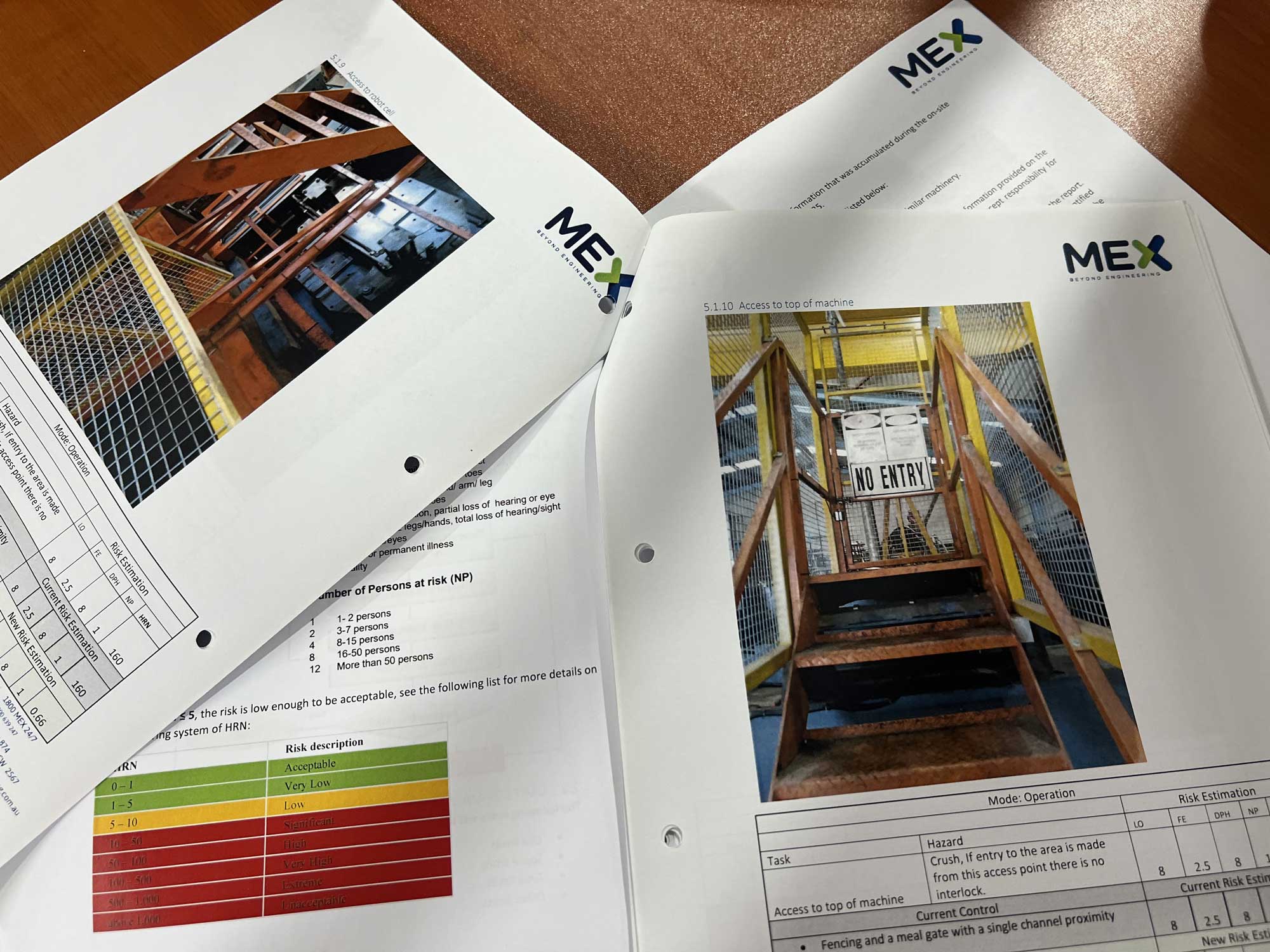
Risk is part of every industrial operation, especially where machinery, automation, and human interaction overlap. Even well-run facilities can develop hidden hazards over time, particularly when equipment is modified or processes evolve.
In Australia, workplace safety remains a critical issue. According to Safe Work Australia, there were over 120,000 serious workers’ compensation claims in recent years, with machinery and equipment-related incidents among the leading causes. These numbers highlight the importance of taking a structured and proactive approach to risk.
Beyond the immediate danger to your employees, machinery incidents and failed SafeWork audits result in catastrophic downtime and severe loss of revenue.
At MEX Engineering Group, we act as the critical infrastructure partner for Australian manufacturing. We do not just identify machinery guarding gaps during our site reviews; we engineer and install the solutions that eliminate them, protecting your workforce and your vital uptime.
What is a risk assessment?
A risk assessment is a systematic process used to identify hazards, evaluate the level of risk, and implement controls to reduce or eliminate that risk. It is a core part of workplace safety and compliance across all industrial sectors.
Rather than reacting to incidents, a risk assessment helps prevent them. It looks at how tasks are performed, how equipment is used, and where failures could occur.
The process typically includes three key steps:
- Identify hazards
This includes moving parts, sharp edges, electrical systems, stored energy, and human factors. - Assess the risk
Evaluate how likely an incident is and how severe the outcome could be. - Control the risk
Implement measures such as engineering controls, safety systems, or revised procedures.
In practice, risk assessments should be continuous. As equipment ages or production demands change, new hazards can emerge that require attention.
What is a risk assessment in the workplace?
A risk assessment in the workplace focuses on protecting people. It considers how hazards impact operators, maintenance staff, contractors, and anyone interacting with equipment or systems.
Many workplaces rely on outdated assessments that no longer reflect actual conditions. Over time, shortcuts, modifications, or production pressures can introduce risks that were never formally documented.
An effective workplace risk assessment should:
- Reflect real-world operations, not just written procedures
- Include input from operators and maintenance teams
- Be reviewed after any change in equipment or workflow
Safe Work Australia reports that manufacturing and construction industries consistently record high injury rates, often linked to inadequate hazard identification or control measures. This reinforces the need for practical, up-to-date assessments.
Most safety consultants only provide advisory services. They identify a hazard, leave you with a list of problems, and force you to source separate mechanical and electrical companies to fix it.
MEX Engineering Group provides a full-stack alternative. Backed by our in-house TÜV Nord Certified Machinery Safety Experts (CMSE®) and RPEQ sign-off, we execute all four stages in-house (risk assessment, safe design, physical installation, and validation). This strict in-house engineering capability eliminates contractor handoff risk and ensures your facility is genuinely audit-proof.
Plant risk assessment: Why does it matter?
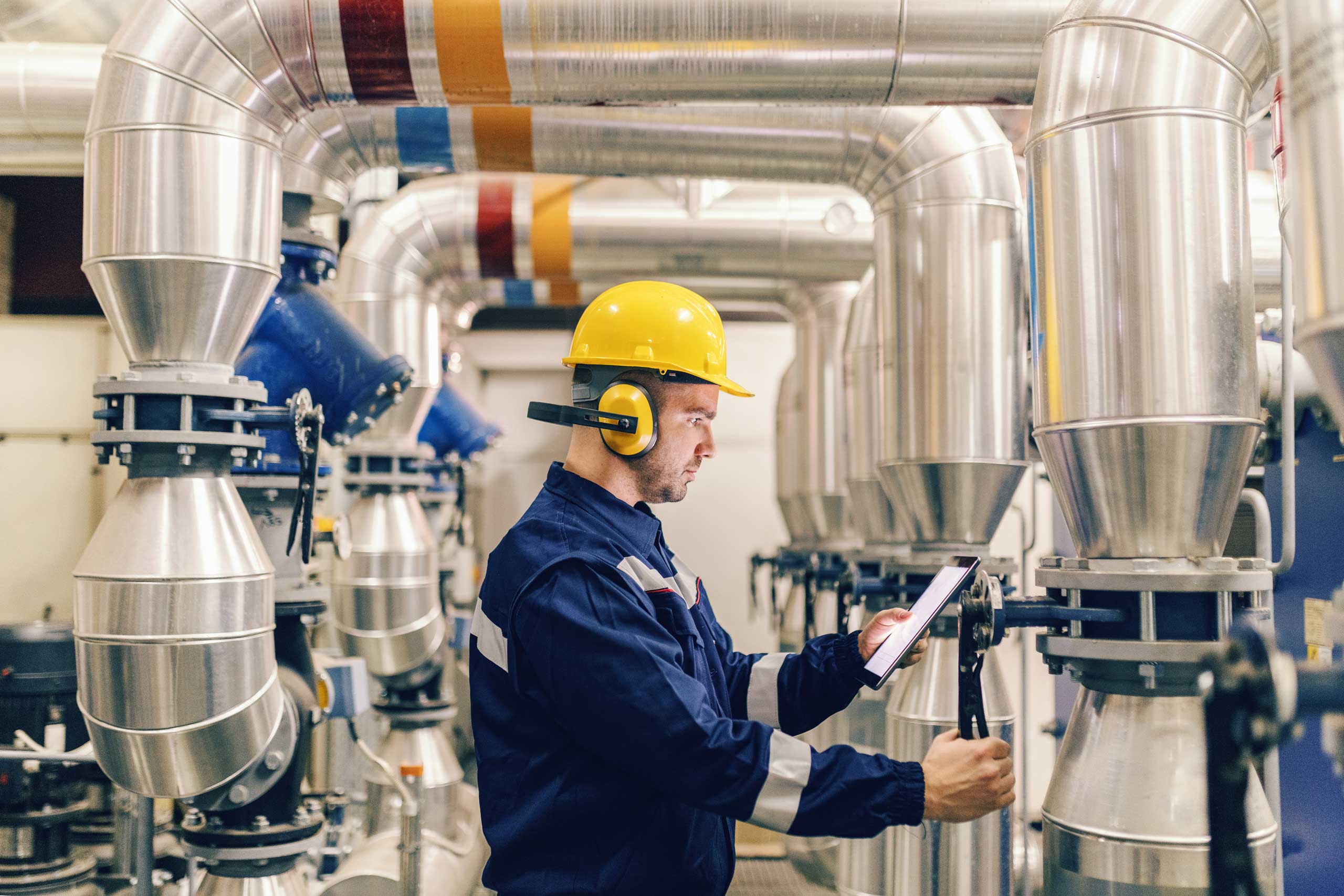
Plant risk assessment focuses specifically on machinery, equipment, and production systems. These environments are often complex, with multiple moving parts, automation processes, and human interaction points.
In many facilities, equipment from different eras operates side by side. This creates inconsistencies in safety features and increases the risk of gaps.
A thorough plant risk assessment should examine:
- Machine operation and interaction points
- Start-up, shutdown, and emergency scenarios
- Maintenance, cleaning, and fault recovery tasks
Research from Safe Work Australia shows that machinery-related injuries often occur during non-routine tasks such as maintenance or clearing jams. These are the moments when safeguards are bypassed or missing.
Working with experienced engineers can help uncover these hidden risks. Explore our engineering solutions to improve plant safety and performance.
Machine guarding safety: Closing the gaps
Machine guarding is one of the most critical aspects of risk control. It is also one of the most common areas where issues arise.
Guards are sometimes removed, modified, or bypassed to improve access or efficiency. While this may solve short-term challenges, it creates long-term safety risks.
Effective machine guarding must comply with AS/NZS 4024 standards and should:
- Prevent access to dangerous moving parts through interlocked guarding and safety PLCs.
- Be securely fixed and tamper-resistant to survive heavy industrial loads.
- Allow safe operation and maintenance access without reducing your continuous production throughput
Common machine guarding issues include:
- Missing or damaged guards
- Temporary fixes that become permanent
- New processes added without updated protection
According to Australian safety data, contact with moving machinery remains a leading cause of serious workplace injuries. Many of these incidents are preventable with proper guarding and risk assessment.
At MEX Engineering Group, we help identify and resolve these issues through practical engineering solutions. Learn more about our machine safety services.
Related Articles
5 Tips to reduce downtime for food processing machinery
Reduce downtime in food processing machinery with maintenance strategies, faster breakdown response, and [...]
Read moreMay

Preventative vs. Reactive vs. Fractional Maintenance
Discover the differences between preventative maintenance, reactive maintenance, and fractional maintenance, and choose [...]
Read moreMay
Gail King
With a passion for leadership and fostering a culture of continuous improvement, Gail is dedicated to expanding awareness and growth within the MEX Engineering Group team. With over 20 years of experience, her expertise spans financial operations, strategic planning, and business development. Gail is driven by the success of others, striving to achieve excellence while supporting the growth and sustainability of Australian manufacturing.